The First True AI Sports Commentary Service
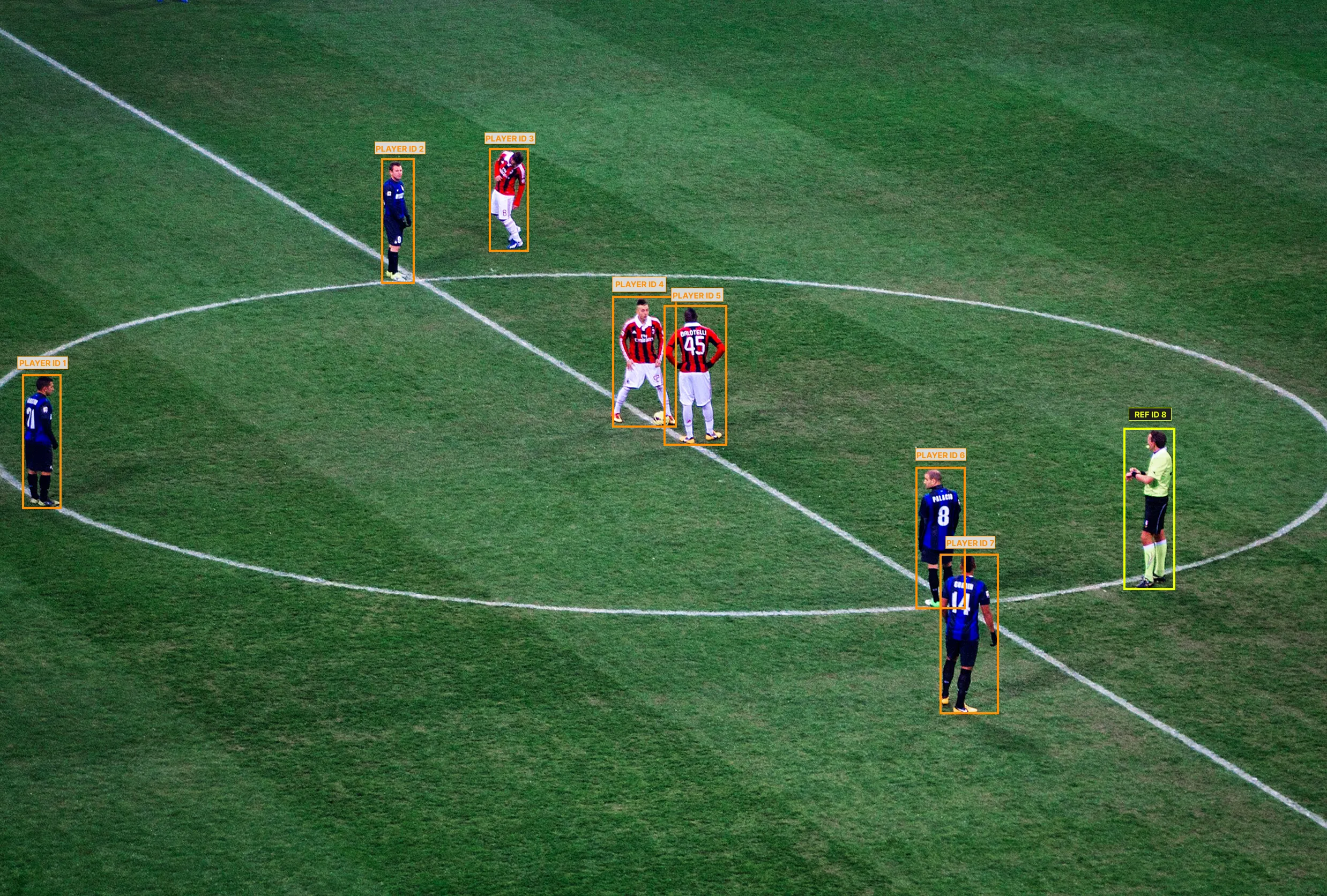
"AI commentary" is starting to mean too many different things at once. Some products use a voice clone to read out translated English commentary. Some add a generated voiceover to a clip after the match has ended. Some turn a scoreboard into spoken lines. They are all being filed under the same label, and it is making the category harder to think about clearly.
We have been building Liat.ai for a while now with a fairly specific definition in mind. We wanted the kind of commentary we would want over a match we cared about, in our own language, at the moment it mattered. Most of what is being marketed as AI commentary today does not meet that bar. This is a short note on what we think the bar should be, and why we have built Liat.ai the way we have.
What Doesn't Count as AI Commentary
Three things tend to get called AI commentary that we do not think should be.
The first is translation with a voice clone. A human team commentates on the match in English and makes every decision about what to say. An AI then reads that script in Spanish or Portuguese and keeps the tone of the original. It is a useful product. But it needs a commentator first, and it carries the emotion of the original language into every other one. Commentary styles differ by language: Spanish and Arabic commentary is usually more excited and uses simpler words. Liat.ai gives each language its own commentator rather than translating.
The second is highlight narration. A model writes a voiceover on a two minute clip after the match is over. That works for social media, but the fans who needed commentary needed it live, during the chance, before the result was already public. By the time the highlight goes out, it is a recap.
The third is the template reader. A line generated from an event stream that says "Goal scored by Player X in the Y minute." A spreadsheet could read that out. There is no understanding of the game behind the voice, and you can hear it.
What Real AI Commentary Has to Do
For us, a system has to do four things before it can call itself an AI commentary service.
It has to see the match. Liat.ai watches the live match from a single camera feed. Detection and tracking models find every player, the referee and the ball. High accuracy optical character recognition (OCR) models read the jersey numbers. The exact pitch lines map every position, and event recognition models detect what happens in real time. That is what gives the voice something to actually say.
It has to understand the match. A 3-1 in stoppage time of a relegation playoff is not the same event as a 3-1 in a friendly. Liat.ai weighs the score and the minute of every chance. Records, head to head and player careers can be added into the commentary if external data is provided or available online (optional).
"AI commentary has to do all four of these things."
It has to say it fast enough to matter. Liat.ai commentates live, with minimal latency. Commentary that arrives after the score graphic has changed is only a recap.
And it has to sound like it belongs there. The voices have to sound like real commentators. Two of them can work together: Marcus is the excited play-by-play voice and Gary is the calm colour voice. Each language has its own commentator, with the rhythm and idioms of that language, rather than a translation from English.
Built for the Matches with No Commentary
Most matches in the world have no commentary on them.
That is the part that drives almost every design decision we make. There is a Sunday morning grassroots match in Lagos, a women's reserve game in Madrid, a youth tournament in Ho Chi Minh City and a second division match in Lima that is broadcast nowhere. These matches have no commentary because human commentators are expensive, and most of them go to the top leagues.
A human commentary team costs $1,000 or more a match. Commentary on Liat.ai starts from about $3 a match, which is hundreds of times less. That is what lets Liat.ai cover the matches that have always been silent, in the languages the fans speak.
Customisable Down to the Match
The other reason for being precise about what AI commentary is, is that the product has to flex with the match.
A penalty in a school final does not sound like a penalty in a cup final, and we should not pretend otherwise. So almost everything about the commentary can be set. You choose the language and the region it is spoken in, the gender of the voice, and how calm or excited the commentator sounds. You can have two commentators working together or one on their own. You can add sponsor ads, match your own style, and bias the commentary to either team or to one player. You can turn the excitement up for a derby and down for a friendly.
A real AI commentary service cannot ship one voice and one style and call it done. It has to fit the match it is commentating on.
A fan in São Paulo turning on a second division match does not care that there is an AI voice on top of a different match somewhere else. They care that the match in front of them is being told, in their language, while it is still happening.
That is the service we set out to build. Liat.ai watches the live match, understands the moment it is in, and commentates in the language the fans speak, for any match on the planet. That is what we mean by the first true AI sports commentary service.
You can hear it for yourself on the demo page, read more about how the system works on the technology page, or get in touch about coverage.