The 2026 World Cup is already under way, and the group stage is about to do the thing it always does. Somewhere in the next couple of weeks, two matches kicking off at the same minute will decide each other, and millions of people will be watching the wrong one. Before that happens, it is worth remembering exactly how this played out last time.
Five billion people were engaged with the 2022 World Cup. The final alone reached 1.42 billion. Across the tournament, an average of 175 million people watched every single match. And yet, on the night the group stage reached its peak, almost none of them were told the truth about what was happening, because the truth was happening in two stadiums at the same time.
This is the thing human commentary cannot fix, no matter how good the commentator is. One booth can call one match. When two matches kick off together and the result of one decides the fate of the other, the most important moment of the night is always happening somewhere the commentator is not.
The Night Group E Flipped Four Times
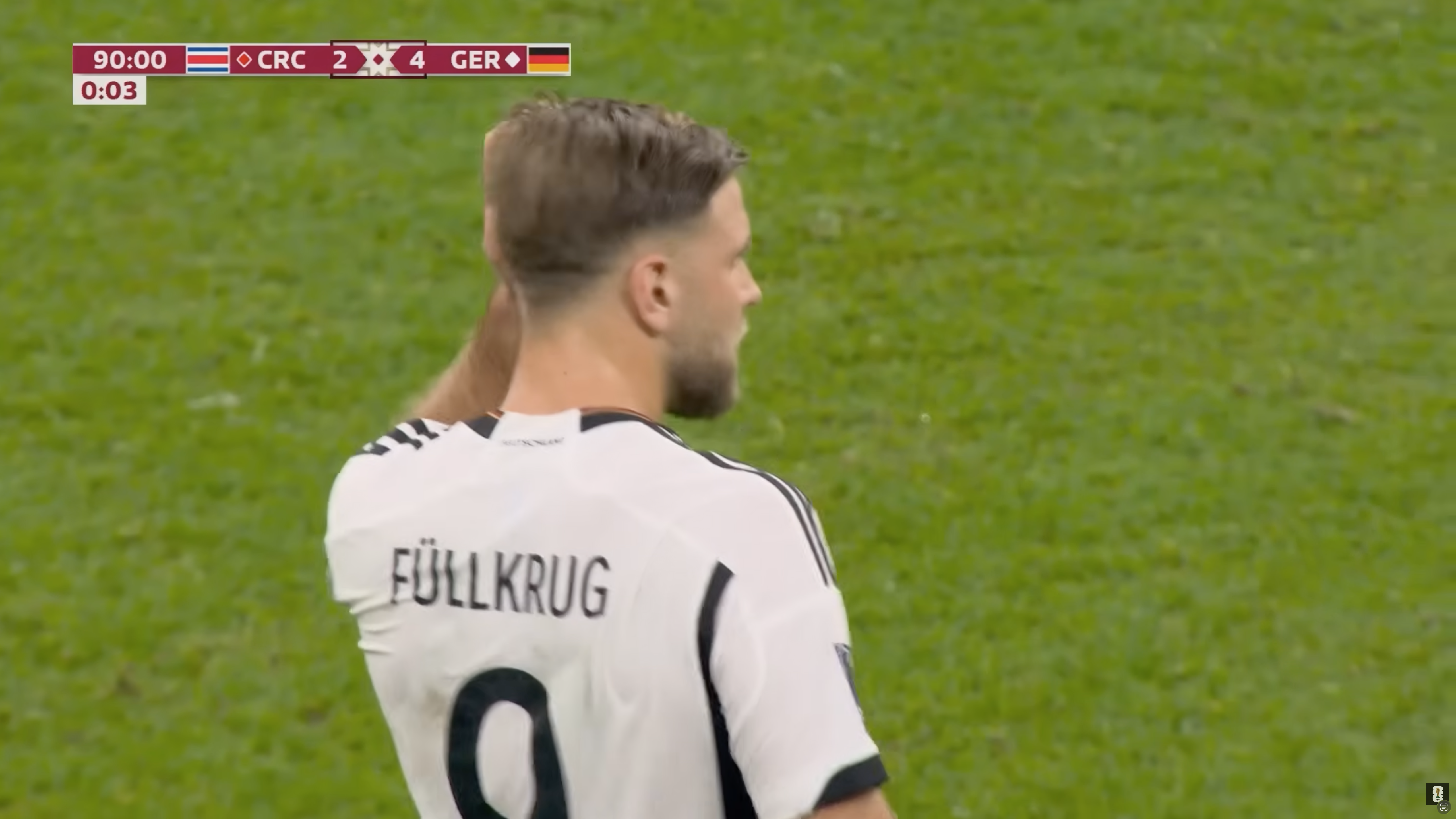
On 1 December 2022, Spain played Japan while Germany played Costa Rica, both kicking off at the same minute. The two scorelines were wired together. Move one, and the other group standings moved with it.
Spain led early through Álvaro Morata. Then it turned. Ritsu Doan equalised for Japan just after half time, and three minutes later Ao Tanaka bundled in a second, given only after a video review showed the ball was still fractionally in play. Japan led Spain 2-1. At that exact moment, with nothing else changing, Spain were in third place in the group and on their way out of the World Cup.
Then it moved again, in the other stadium. Costa Rica scored against Germany, and went 2-1 up through Juan Pablo Vargas in the seventieth minute. Now it was Costa Rica top, Japan second, and both Spain and Germany eliminated. Spain were being knocked out by a goal scored twenty five kilometres away, in a match they were not playing in.
Germany rallied to win 4-2. The final picture: Japan first, Spain second on goal difference, Germany out despite winning, Costa Rica out despite leading minutes earlier. Four separate swings, each one decided by an event in the other game.
"A commentator calling Spain against Japan physically could not also be calling the Costa Rica goal that was putting Spain out. The viewer watching that feed was the last person in the stadium to know."
Liat.ai is built for exactly this. Because our commentary can run across every concurrent match at once and detects events in under a second, the Spain feed can say, in the same breath as the action in front of it, "Spain are in third right now, Costa Rica have just scored." In any language. For every group, every simultaneous round.
It Was Not a One-Off
The night before, Group C did the same thing. Argentina were beating Poland, and Mexico were beating Saudi Arabia, and for a stretch the two results left Poland and Mexico level on points, goal difference and goals scored. Poland were going through only on fewer yellow cards. One more goal in either match, and it changed again. Then Salem Al-Dawsari scored a stoppage time consolation for Saudi Arabia, Mexico's goal difference dropped, and Mexico were out. Mexico's World Cup ended on an event in a match they had already won.
The audience watching Argentina against Poland saw Argentina dominating. They did not see the goal that actually ended Mexico's tournament, because it was on the other channel.
The Stat That Changes How a Player Sounds
There is a quieter version of the same problem, and it runs through every match, not just the simultaneous ones. The numbers that explain a performance are often missing from the commentary on it.
Lionel Messi won the Golden Ball, deservedly across the arc of his career and that tournament. But of his seven goals, four were penalties, and his non-penalty expected goals for the tournament sat at around 1.6. His younger teammate Julián Álvarez, far less discussed on air, posted a non-penalty expected goals figure of about 2.1 from open play. The narrative was almost entirely about one player. The underlying data told a fuller story about both.
This is not about correcting Messi. It is about what gets said in the quiet moments. A commentary layer that reads the data live can add that context as it happens, without taking anything away from the moment.
Why We Built It This Way
The best World Cups are not single matches. They are a board of results moving together, and the drama lives in the connections between them. Human commentary, by its nature, can only ever show you one square of that board at a time.
Liat.ai watches the whole board. Every match, every language, every swing, the instant it happens. The goals your commentator missed in 2022 were not missed because the commentator was not good enough. They were missed because no single voice could be in two places at once. We can do that.
Sources: FIFA Global Engagement and Audience Report (Qatar 2022); ESPN, Sky Sports, CBS Sports and Wikipedia match records for Group E (1 Dec 2022) and Group C (30 Nov 2022); ScoutDecision non-penalty xG data.
Liat.ai delivers real-time, multilingual AI commentary for every match on the board, including the ones the booth cannot cover. Hear it in action on the demo page, or get in touch about coverage for the 2026 group stage.